I remember showing a beautiful home in Rancho Cucamonga a few years back. The owners had watched their neighborhood appreciate dramatically during the pandemic boom, and they were convinced their property was worth top dollar. We listed it at what I knew was about 12% above market value. The homeowners were confident—they thought buyers would compete for their home the way they had for so many others during that feeding frenzy we all experienced.
That home sat on the market for 127 days. After three price reductions totaling nearly $45,000, it finally sold for less than where we could have positioned it on day one.
This story plays out differently than you might think, and understanding the real consequences of overpricing is critical in today's market.
The Market Has Changed More Than You Think
October 2025 marked the 24th straight month of year-over-year inventory growth, which means buyers are no longer racing against time to make offers. Well-priced homes are still selling in 63 days, while overpriced homes are sitting significantly longer — pushing the average to 121 days. That 58-day gap is the difference between a successful sale and a listing that becomes increasingly difficult to move.
The feeding frenzy mentality has given way to something much more calculated. Markets turn when pricing and buyer behavior fall out of sync, and right now, we're seeing exactly that divergence. Sellers are still pushing for aggressive prices based on what the market was, while buyers are making decisions based on what it is.
The Damage of Those First Two Weeks
Here's something most sellers don't realize: when a house goes on the market, the greatest potential to attract buyers is within the first 30 days. In a seller's market, the greatest potential to attract buyers is within a mere 7 days. This window is everything. Even though we're not in a true seller's market anymore, the principle still holds strong.
When you overprice initially, you're not leaving room to negotiate later—you're missing your best shot at attracting serious buyers. By pricing it high with the intention of dropping the price later, you are completely bypassing your best candidates for buyers. These buyers have moved on to properly priced homes in your neighborhood.
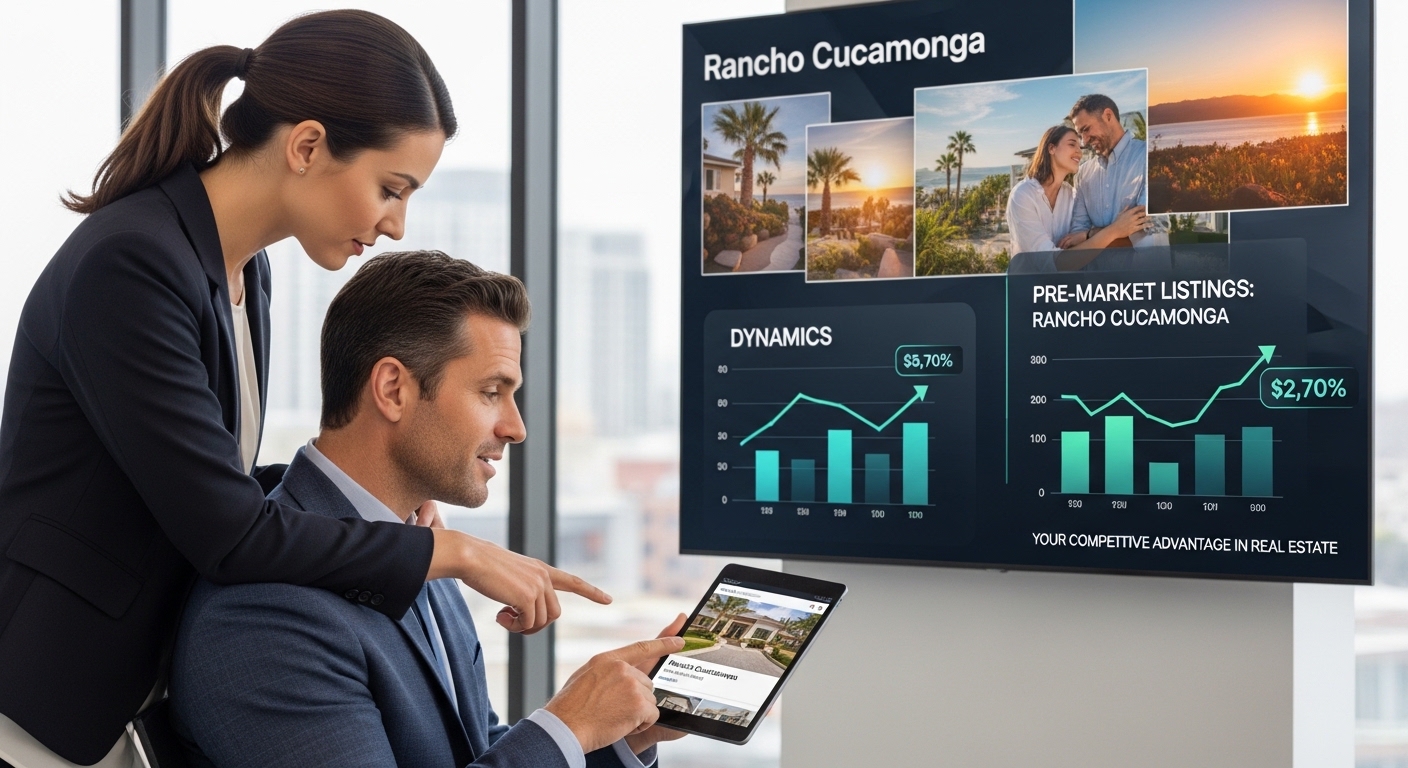
In Rancho Cucamonga, where we have nice inventory options available right now, this becomes even more critical. Buyers can afford to be selective.
The Stigma That Lingers
Once a home lingers on the market, something psychological shifts. After about 90 days on the market, a property is considered "stale." When it does finally sell, it's likely to bring a lower price than listed because when buyers notice that a home has been sitting on the market a long time, they assume something is wrong with it.
Interestingly, buyers aren't necessarily wrong to be suspicious. But their suspicion isn't always about the house itself—it's about the disconnect between what the seller wanted and what the market will pay. When you finally decide to lower your price, buyers start to wonder what's wrong with the house and most buyers will completely avoid it, even when there's nothing wrong with it.
This is the real trap. The longer your home sits, the more it becomes associated with being overpriced. If the initial price misses the mark, buyers often form an opinion quickly. Once a home feels overpriced, buyers tend to wait rather than engage, even if they like the property.
The Numbers Tell a Clear Story
Homes sold within the first 30 days were typically discounted by only 1% off the original list price, achieving 99% of the asking price. Compare that to homes that sit longer. Homes on the market for 120 days (about four months) experienced an average price reduction of 8.5%, equating to a significant loss in potential profit.
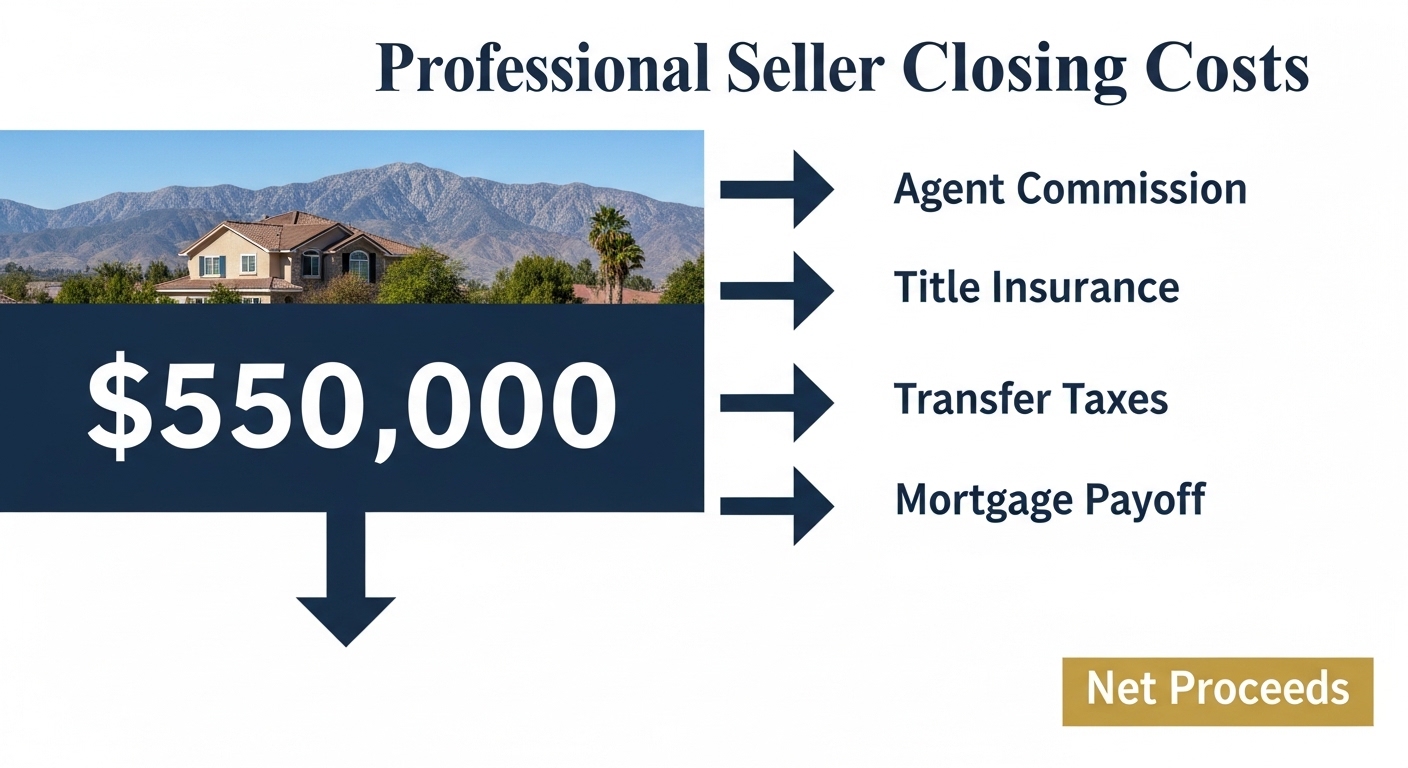
Think about that math for a home in the Rancho Cucamonga market. The difference between pricing right and pricing aggressively isn't just about sitting longer—it's about losing substantial money. Even a modest 8.5% reduction on a $600,000 property means $51,000 less in your pocket, not to mention the months of mortgage payments, property taxes, and carrying costs you're still paying while the home sits unsold.
Overpricing—even by 5%—can turn the first crucial weeks of a sale into a silent standoff. That 5% quickly becomes 10%, then 15% once the home starts showing age on the market.
Why Sellers Overprice (And Why It Backfires)
I understand the temptation. Emotional attachment can make it hard for them to see the property objectively, leading them to list it at a higher price than the market may support. You've built memories in this home. You've made improvements. You know its value intimately.
But here's what I tell my clients: Buyers—less emotionally invested in the property—tend to see its value strictly from a cost-benefit perspective, often offering lower bids when they feel the asking price is inflated.
Some sellers think overpricing gives them negotiation room. They know what their house is worth, but they think leaving room to negotiate will get them to the price they want. In reality, that strategy doesn't work anymore. Informed buyers run comparable sales. They know what homes are actually selling for. When your price doesn't align with data, they simply keep scrolling.
The Appraisal Problem Nobody Wants to Face
Here's another consequence people often overlook: If a house is overpriced, and a buyer is willing to pay that price, these are big risks because the house still has to appraise. Overpriced houses typically appraise for less, and you'll be forced to either lower the price anyway, or put your house back up for sale after the buyer goes to find another house.
Even if you somehow attract a buyer to your overpriced listing, the appraisal often doesn't support the sale price. You end up renegotiating anyway—and now you've wasted months that could have been spent selling at fair market value.
What Right Pricing Actually Accomplishes
Setting the right price from day one isn't settling for less. It's the opposite. Homes priced right sell for a higher price in a shorter time. Homes sell closer to their asking price during the first few weeks they are on the market. Fewer mortgage payments mean less interest paid = more money in the seller's pocket.
In Rancho Cucamonga's current market, where we have more inventory options and slightly more balanced conditions than we did a few years ago, accurate pricing matters more than ever. Well-priced homes continue to attract attention, overpriced listings sit longer and require adjustments, and buyers are willing to act — but only when the value is clearly supported by the market.
The right price creates urgency. It makes buyers think they've found something special, something fairly valued in a market full of inflated asks. It generates showings. It attracts serious buyers rather than tire-kickers.
If You're Already Stuck
If your home has already been on the market for 30+ days without serious interest, a price adjustment isn't a failure—it's a course correction. Homes that sit too long without adjustment often lose leverage, while proactive pricing regains it.
If the comparable sales suggest the property is priced 10 percent above market, a reduction of 8 to 10 percent is necessary. A token reduction of 2 or 3 percent on an already overpriced listing rarely generates new interest. Half measures won't work. But a meaningful adjustment signals to the market that you're now serious about selling.
Your Local Expert Advantage
This is where having a real estate agent who knows Rancho Cucamonga matters tremendously. Delivering market information and comps is essential to establishing the right price. I spend time analyzing what's actually selling in our neighborhoods—not what people are asking, but what buyers are actually paying.
I can look at comparable sales on your street, homes in your subdivision, and properties similar to yours that have sold recently. I understand the local nuances that online tools simply cannot capture. I can show you why certain pricing works and why certain prices don't, backed by real transaction data rather than emotion or hope.
If you're thinking about selling your home in Rancho Cucamonga, the most important conversation we can have is about pricing. Not the price you want to get, but the price the market will actually support right now. That conversation often saves sellers tens of thousands of dollars and months of frustration.
The market rewards those who price realistically. Let me help you get it right from day one.
If you're considering selling soon, I'd love to discuss your home's market value with a no-obligation consultation. You can reach me at my website to get started. HOUSEJET is a great resource for viewing comparable properties in your area if you want to do some preliminary research on your own.