If you're thinking about selling your home in Rancho Cucamonga, you're likely going to work with a real estate agent. That's smart—83% of sellers choose to list with a real estate agent—and for good reason. But not all agents are created equal. The agent you choose will directly impact how quickly your home sells and how much money ends up in your pocket.
The real estate industry is massive, with over 1.4 million licensed agents nationwide. Yet the quality of service varies dramatically. You could end up with someone just starting out or someone who's spent decades mastering their craft. Roughly 15% of agents are brand new every year, and a similar percentage exits the industry annually, making it one of the most fluid professions around. This means choosing the right partner matters more than ever.
The listing agreement is a binding contract, and in most cases it's exclusive, meaning you can't just switch agents a week later, with many agreements running 3 to 6 months. If you commit to the wrong agent, you could be locked in for half a year. That's why asking the right questions upfront is crucial.
1. What's Your Experience in the Rancho Cucamonga Market Specifically?
This is the most important question to ask. Agents with local experience know current buyer behavior, pricing trends and what features stand out in your market. A great agent will be specific about their experience in your neighborhood or price range—not just your city, but your actual area.
I've been selling homes in Rancho Cucamonga for years, and I understand the nuances of this community that a newcomer simply won't grasp. If an agent's recent sales aren't in your area, that's a red flag. Ask them about homes they've sold on your street, in your neighborhood, and at similar price points.
2. How Would You Price My Home, and What Data Backs That Up?
This question separates the honest agents from the ones just trying to "buy your listing." When a seller gets pricing recommendations backed by a comparative market analysis, one agent might pitch a number higher than the rest, so the seller goes with that agent, but showings slow down because buyers compare the asking price to similar homes nearby.
Look for a thoughtful strategy backed by comparable sales and market data, not just a number you want to hear. Ask the agent to walk you through exactly which homes they're comparing yours to, why those comparables are relevant, and how recent those sales were. The analysis should be detailed and defensible, not vague sales talk.
3. What's Your Marketing Strategy Beyond MLS and Basic Photos?
Most agents will mention the basics when asked how they'll find buyers—MLS exposure, syndication to major real estate sites, professional photos, and an open house—but those are table stakes. What you want to hear is how they'll bring the pieces together: how they'll reach buyers and their agents through various marketing channels and how they'll measure interest and adjust quickly if showings aren't tracking to plan, with a plan tailored to your home with a goal of driving multiple offers.
73% of home owners are more likely to list with a real estate agent who uses videos to sell property, so ask specifically about video marketing, drone photography, and targeted online advertising. Ask how they'll adjust the strategy if the home isn't getting enough showings in the first few weeks.
4. How Will You Help Me Prepare My Home for Sale?
A good agent will walk through your house and offer thoughtful suggestions. This shows how well the agent understands which prep work will actually add value to your home and whether they can tailor advice to your situation. But watch out for red flags.
A good agent will have a few suggestions to help you sell, like a new coat of paint or replacing burnt-out light bulbs, but be wary of agents suggesting large remodeling projects. The right seller's agent will tailor a plan around your goals, while the wrong one will push a long list of upgrades before they even ask a question.
5. What's Your Commission Rate and What Does It Include?
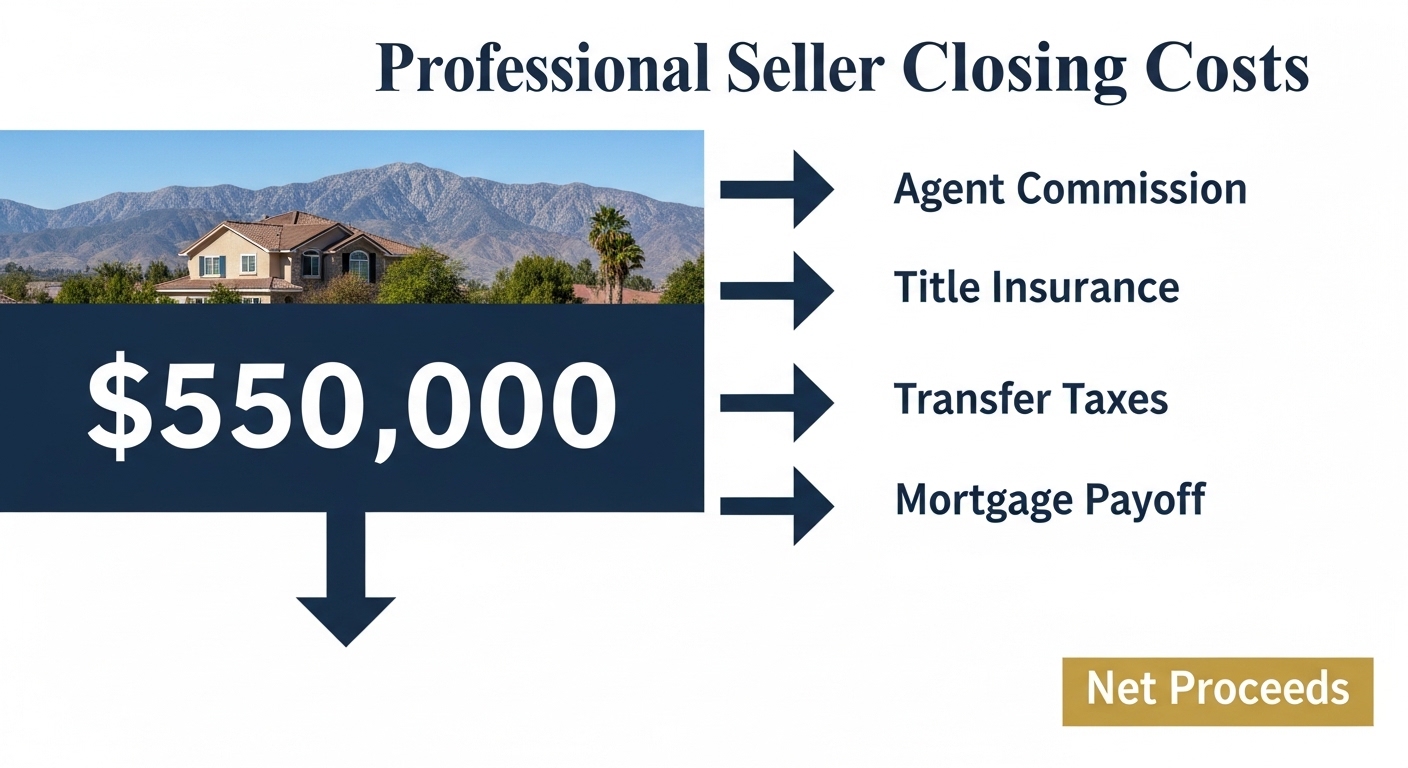
Be clear about the money conversation from the start. The agent should state what their commission rate is and what that fee covers, and they should confirm it will match what will be written in your listing agreement. Ask for a seller net sheet so you can see how their listing fee impacts your estimated net proceeds, which will show the agent's commission, typical closing costs, and your likely net proceeds.
The nationwide average commission rate is 2.88% for listing agents, but rates vary based on location, your home's value, and market conditions. Don't automatically choose the lowest-priced agent, but do understand exactly what you'll pay and what services that covers.
6. How Many Current Listings and Buyer Clients Do You Have?
This question reveals whether the agent will actually have time for you. Ask them how many listings and buyer clients they have to get a sense for the level of effort involved. Listen for the Goldilocks answer: too many clients will not dedicate enough time to selling your home, while too few may be a red flag of an agent without much experience.
Be cautious if an agent is part-time, since selling your home is a full-time job, and they should be focused. You want someone busy enough to have systems in place but available enough to give your listing the attention it deserves.
7. Can You Provide References from Recent Clients?
Every agent should arrive at a first meeting with referrals, and if they don't include referrals in their listing presentation, ask for them. Be wary if an agent can't offer a handful of client names to call.
When you call references, ask what the agent was like once they were under contract, not just during the initial listing appointment. Ask specifically about communication, whether the agent followed through on promises, and if the clients felt satisfied with the final sale price. Online reviews are helpful, but talking directly to past clients gives you the real story.
8. What's Your Average Days on Market and List-to-Sale Price Ratio?
Ask for a list of homes they've sold in your area, including sale prices and how long each property was on the market. Agents with a low average days on market typically have effective marketing and negotiation skills. Aim for agents who have a list-to-sale price ratio of 95% or higher and a low average days on market.
These numbers tell you whether the agent actually gets results. A home that sits on the market for 90 days isn't helping you, and a sale significantly below asking price means something went wrong with pricing or marketing.
9. What Happens If I'm Not Happy with How You're Performing?
You might need to part ways with your real estate agent if they act unethically or if their performance doesn't meet your expectations, and it's best to understand the cancellation policy and know your options before signing a contract. This is an important conversation to have upfront, even though it might feel awkward.
Some agents will allow you to terminate the contract without issue if the relationship isn't working. Others might charge a cancellation fee. Any fees should be noted in the contract. You want to know exactly where you stand before you sign.
10. How Will You Handle Negotiations If We Get Multiple Offers?
This question reveals the agent's negotiation skills and market strategy. Ask how they handle competing offers, what they recommend in terms of multiple offer strategy, and how they'll advise you to maximize your position. A strong negotiator can mean thousands of dollars in your pocket.
Also ask how they stay in touch with buyer's agents to understand what's working and what's not. Technology continues to change how agents market themselves, but real estate is still fundamentally a relationship business, and referrals and repeat clients continue to outperform nearly every other lead source. An agent with strong relationships in the community will have the inside track on interested buyers.
Interview Multiple Agents
By talking with multiple agents, you'll be able to compare and contrast to find someone who will be a good fit. Interview at least three agents using these same questions, and compare their responses. Pay attention not just to what they say, but how they say it. Do they listen more than they talk? Do they ask about your specific situation? Do they seem to understand the Rancho Cucamonga market?
The agent you choose will be one of the most important partners in one of the biggest financial decisions of your life. Take your time, ask tough questions, and don't settle. You deserve an agent who's going to fight for your interests and get you the best possible outcome.
If you'd like to discuss listing your Rancho Cucamonga home, I'm always happy to have a conversation. You can search available properties in our area on HOUSEJET, and I'm here to help guide you through the process with transparency, local expertise, and a commitment to getting you the best results.