I've been selling homes in Rancho Cucamonga long enough to know that fear is a powerful motivator. Not the kind of fear that drives good decisions, but the kind that kills deals. And one of the biggest sources of that fear is the home inspection.
Here's what I see happen over and over: A seller gets an offer. Everyone's excited. Then the buyer's inspector arrives, finds something less than perfect, and suddenly both sides are panicking. The buyer starts wondering if there are other hidden problems. The seller is defensive about repairs they didn't know were issues. What looked like a done deal becomes a standoff.
The reality is stark. Among sellers who had a sale fall through, 15 percent were due to the buyer backing out after the inspection report. And that's just the ones that completely fell apart. Many more deals get delayed, renegotiated, or worse, relist with damage to the seller's credibility.
But here's the thing: You don't have to let the inspection blindside you. There's a smarter way, and it starts with something called a pre-listing inspection.
The Problem Nobody Wants to Talk About
Most home inspections happen after a buyer has already made an offer and put their earnest money on the table. At that point, everyone's emotions are high. When the inspector's report comes back with any significant findings, it becomes negotiation ammunition. Buyers negotiate an average of $14,000 off the sale price using inspection findings.
And if those findings are serious enough, the buyer can walk away entirely and recover their earnest money.
What frustrates me most is that so many of these situations are preventable. When I work with sellers in Rancho Cucamonga who are prepared, who know what's actually wrong with their home before it hits the market, we avoid these ugly surprises. The deal moves forward smoothly.
According to the National Association of Realtors' November 2025 Realtors Confidence Index Survey, 15% of contracts experienced delayed settlements, and in many cases, inspection issues were the reason. That's not just about buyer anxiety. That's lost time, lost certainty, and lost profit.
What a Pre-Listing Inspection Actually Does
A seller's pre-inspection involves a homeowner hiring a professional inspector to examine a property for issues that can be addressed before the seller lists the home on the market. The inspector then provides a report on the issues identified and reasonable next steps to the homeowner.
The difference between a pre-listing inspection and a buyer's inspection is simple: You get to be in control of the narrative. A pre-inspection gives you time to fix major problems before you get too deep into the process of selling your property. A home inspection report will contain important information about any issues found in your home and details about how severe the problem is, how urgent it is to fix it, and the approximate cost of repairs. This lets sellers decide whether it's worth the effort to fix the issue and helps them prioritize problems to repair so buyers won't ask for further work after their inspection.
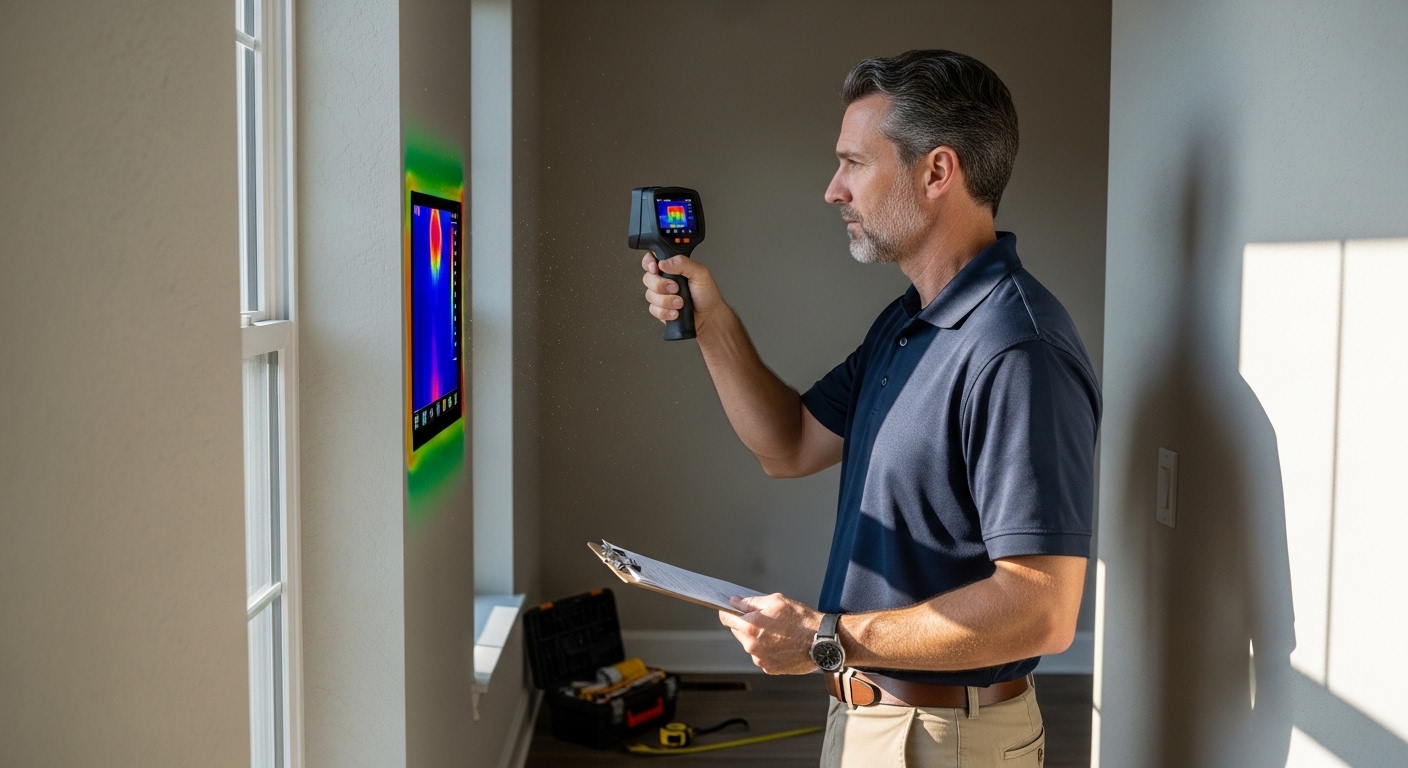
Here's what typically happens during a pre-listing inspection: The inspector evaluates your foundation, roof, electrical systems, plumbing, HVAC systems, interior, and exterior. They document everything with photos and detailed notes. You get that report in your hands. Then you decide what to do about it.
The Real Financial Advantage
I'll be direct about the investment: The average cost of an inspection is about $345, with most inspectors charging between $300 and $425 as of 2025. For a home sale, that's negligible.
What's not negligible is what happens when you use that information strategically. Getting a pre-listing inspection can save the seller money, because they have the ability to price out various contractors, materials, and time frames depending on their preferences. Instead of a buyer demanding that you hire their contractor at their price, you've already handled it yourself on your own terms.
If you find issues with your home before listing it, you can do the needed repairs, then set a fair price for the property, which may make it harder for buyers to negotiate. That can mean getting a higher price for your home, helping you cover any expenses related to preparing the home for sale, and increasing your profit.
I've seen this play out in Rancho Cucamonga. A seller spends $400 on an inspection, finds a minor electrical issue that costs $800 to fix, fixes it proactively, and avoids a $5,000 price negotiation later. They come out thousands ahead.
The Confidence Factor
Beyond the dollars, there's something intangible that pre-listing inspections provide: peace of mind. Pre-listing inspections allow a seller the opportunity to address any repairs before the For Sale sign even goes up. You're not sitting around hoping nothing major comes up during the buyer's inspection. You already know.
A pre-listing inspection allows you to see your home through the eyes of a critical and neutral third party. It alerts you to immediate safety issues before agents and visitors tour your home. It may alert you to items of immediate concern, such as radon gas or active termite infestation.
This matters because when buyers tour your home, they're forming opinions. If they notice something that seems wrong—a water stain, a sagging gutter, an old HVAC system—they're immediately suspicious about what else might be hidden. A pre-listing inspection lets you address those visible red flags before anyone steps through the door.
Transparency as Your Selling Tool
A pre-listing inspection demonstrates honesty and a commitment to transparency, which can strengthen relationships with potential buyers. Providing full disclosure about the property's condition not only saves time but also fosters goodwill, resulting in smoother transactions and more satisfied buyers.
Here in Rancho Cucamonga, where competition between homes is real, transparency is a competitive advantage. When you list a home with a pre-listing inspection already completed, you're signaling confidence in your property. You're not hiding anything because you've already put everything on the table.
It also changes how buyers look at your property. Instead of approaching the inspection as a hunting expedition looking for problems to use against you, they're either confirming what they already know or comparing your report to their own inspector's findings. Either way, you've removed the element of surprise that typically kills deals.
The Downside (And It's Real)
I want to be honest about the drawback. A pre-listing inspection can uncover problems you don't want to know about. The home seller might be taking a gamble having their home inspected, as it can reveal issues that must be disclosed to prospective home buyers. Inspections can reveal information sellers may not have known about their home, for better or worse. If an inspection uncovers any issues that are too expensive for a seller to repair, it could end up being a liability rather than an asset.
That's the reality. If you do a pre-listing inspection and it reveals a $15,000 foundation crack, you now have to disclose that to every potential buyer. You can't unknow it.
But here's my perspective: You can't unknow it anyway. That crack will still be there. A buyer's inspector will still find it. The only difference is timing. With a pre-listing inspection, you control that conversation from the beginning. You can either fix it, offer a credit, adjust your price, or address it however makes sense for your situation. The buyer can factor that into their decision upfront instead of using it as a weapon during negotiation.
Who Should Get One
In general, people who have purchased relatively new homes may decide against a pre-listing inspection, especially if the home still appears to be in good shape. If you have an older home that could have issues or want to make sure the sale process proceeds quickly and smoothly, a pre-listing inspection may be a good fit.
If you own a Rancho Cucamonga home built in the 1990s or earlier, a pre-listing inspection is smart. If you've lived there for decades, you know which systems are aging. If you have any concerns at all about what a buyer's inspector might find, get ahead of it.
Newer homes or homes you've recently renovated? You might skip it. But for most homes on the market, especially if you want to sell quickly and without hassle, the investment pays for itself.
How to Use This Information
If you're thinking about selling, get the pre-listing inspection early. Complete the pre-listing inspection no sooner than two months before listing your property. This way, buyers trust that the inspection findings are indicative of the home's current condition.
Once you have the report, review it with a real estate expert who knows your market. I can help you understand what's truly a major issue versus what's cosmetic. Some items the inspector flags are just recommendations. Others are deal-breakers if not addressed. Knowing the difference is crucial.
Then decide what to fix. Fix the major stuff. The safety issues. The systems that are clearly failing. Leave the cosmetic issues for buyers who might have their own preferences anyway.
Let's Talk About Your Home
If you're a homeowner in Rancho Cucamonga thinking about selling, or if you just want to understand what condition your home is really in, I'm here to help. A pre-listing inspection isn't about finding problems to scare you. It's about giving you control over the process and protecting what's probably your biggest financial asset.
When deals fall through over inspection findings, it's never just about the repairs. It's about fear and uncertainty. A pre-listing inspection removes that uncertainty. It lets you move forward with confidence, and it lets your buyers move forward with confidence too.
That's the kind of home sale that actually closes smoothly.
Want to discuss whether a pre-listing inspection makes sense for your situation? I'd love to talk. You can explore properties in the Rancho Cucamonga area and get a better sense of your market value on HOUSEJET, but let's connect to talk strategy about your specific home. My goal is to make sure you sell on your terms, not scrambling because an inspection blindsided you.